
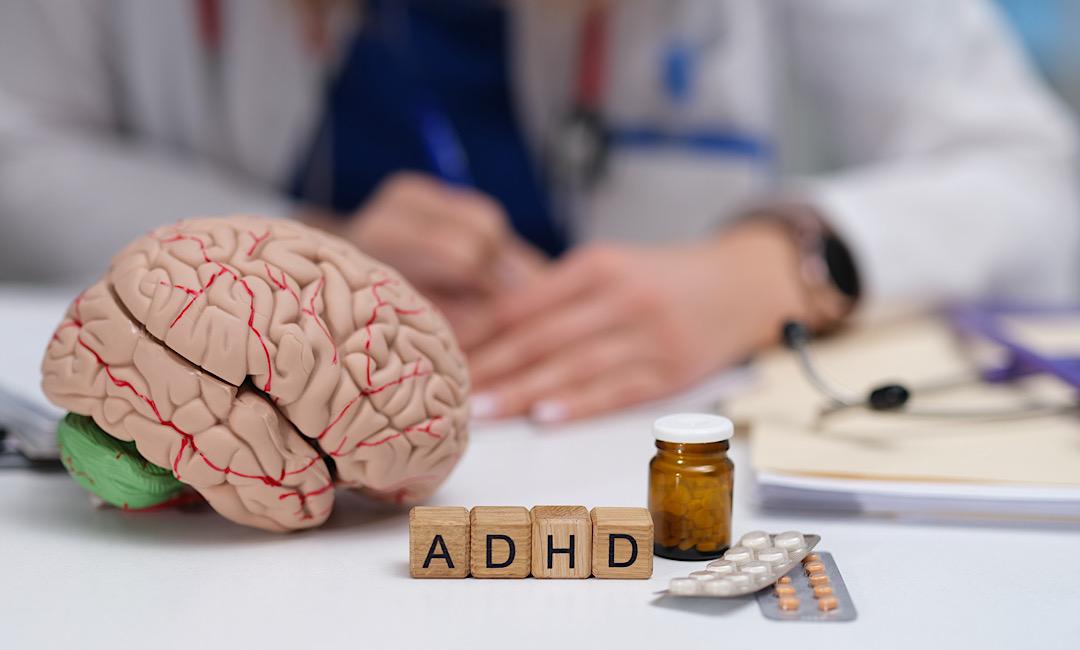
How to compare stimulants vs. non-stimulants—without guessing
If you’re already in care (or you’ve tried one medication and you’re weighing a switch), the hardest part is rarely “What is ADHD?” It’s deciding what *fits you*: your workday, your sleep, your health history, your anxiety level, and your comfort with controlled medications. This guide breaks down common ADHD medication options for adults in a practical, side-effect–aware way—so you can walk into your next appointment with better questions, clearer priorities, and realistic expectations.
1) The big picture: what “ADHD medication options” usually means
For adults, medication discussions typically fall into two categories:
Stimulants (most commonly methylphenidate-based or amphetamine-based): often the most effective for core ADHD symptoms like focus, task initiation, and mental “drive,” but require careful monitoring and have more regulatory restrictions.
Non-stimulants (commonly atomoxetine; sometimes alpha-2 agonists like guanfacine/clonidine in certain cases): can be a strong fit when stimulants aren’t tolerated, aren’t preferred, or when there are complicating factors such as significant anxiety, substance-use risk, or unacceptable stimulant side effects.
Evidence-based guidance for medication selection often starts with a stimulant trial when appropriate, with non-stimulants considered when stimulants are not tolerated or not effective. (For example, NICE guidance notes atomoxetine as an option for adults when stimulants are not tolerated or have not helped after adequate trials.)
2) Stimulants: why they work well—and what to watch for
Stimulants generally improve ADHD symptoms by increasing availability of key neurotransmitters involved in attention, impulse control, and executive functioning. For many adults, the benefits show up as:
More consistent focus (especially for sustained tasks)
Better task initiation (less “stuckness”)
Improved follow-through (fewer abandoned tasks)
Less impulsive decision-making
Common adult side effects (and how clinicians often respond)
Appetite suppression / weight changes: may improve with dose timing, nutrition planning, or switching to a different formulation.
Sleep disruption: often addressed by adjusting the dose timing, choosing a shorter-acting option, or reassessing afternoon “booster” dosing.
Jitteriness or anxiety: sometimes improved by lowering dose, switching molecule (methylphenidate vs amphetamine), or treating co-occurring anxiety alongside ADHD.
Blood pressure/heart rate increases: usually small but worth monitoring, especially if you have cardiovascular risk factors.
Research and clinical guidance commonly emphasize that ADHD medications can cause small changes in blood pressure and heart rate, and that monitoring is part of safe care.
3) Non-stimulants: when “steady and subtle” is the better fit
Non-stimulant medications are often chosen when someone:
Has unacceptable stimulant side effects
Has a history of substance misuse or is uncomfortable with controlled medications
Has significant anxiety, tics, or sleep issues that are worsened by stimulants
Needs more “all-day coverage” without peaks and dips
Atomoxetine (a common non-stimulant option)
What patients often like: it isn’t a controlled substance, it can feel smoother across the day, and it may be a good match when stimulants aren’t tolerated.
What to plan for: it can take longer to feel full benefits than stimulants, so expectations and follow-up timing matter.
Why it’s commonly used: guidelines such as NICE include atomoxetine for adults when stimulant trials are not tolerated or not effective.
Guanfacine/clonidine (alpha-2 agonists)
These are more commonly discussed in pediatric care; adult use may be more specialized depending on diagnosis, comorbidities, and local prescribing practices. NICE guidance notes guanfacine for adults as an off-label choice requiring specialist advice.
Some data suggest guanfacine can lower blood pressure and heart rate—another reason clinicians monitor vitals and tailor selection to your health profile.
4) A practical comparison table (adult decision points)
| Decision point | Stimulants (often) | Non-stimulants (often) |
|---|---|---|
| Speed of noticeable effect | Often sooner (same day to early days for many) | Often more gradual; patience + planned follow-up helps |
| “Smoothness” across the day | Depends on formulation; can have peaks/dips | Often steadier day-to-day |
| Anxiety / sleep sensitivity | May worsen anxiety/insomnia in some (timing and dose matter) | May be preferred if stimulants aggravate anxiety/sleep |
| Cardiovascular monitoring | Monitor BP/HR; discuss personal/family history | Also monitored; some meds may raise or lower BP/HR depending on agent ([theguardian.com] |
| Controlled substance considerations | Typically controlled (Schedule II); more rules and pharmacy constraints | Typically not controlled; often simpler logistics |
Note: your best option can change over time—sleep, hormones, job demands, co-occurring anxiety/depression, and even supply issues can all influence what’s sustainable.
5) Castle Rock, Colorado considerations (telehealth, safety, and pharmacy realities)
In Colorado, many adults appreciate the convenience of telehealth for follow-ups and medication management—especially with busy schedules and family responsibilities. If your treatment plan includes stimulant medication, it also helps to understand the current federal telemedicine landscape:
Federal telemedicine flexibilities for prescribing controlled substances (when required conditions are met) were extended through December 31, 2025.
Separate from telehealth rules, Colorado has requirements related to electronic prescribing of controlled substances (with specific exceptions). This can affect how prescriptions are sent and what pharmacies will accept.
Practical tip for Castle Rock-area patients: if you’re switching doses or formulations, ask your prescriber about pharmacy availability and refill timing early—especially around travel, holidays, or insurance changes—so you’re not stuck without medication during a high-demand week.
6) Making medication work better: the “treatment plan” mindset
Medication is often most effective when it’s part of a broader plan that addresses skills, stress, sleep, and self-talk. Many adults get better outcomes when they pair medication management with therapy approaches that build sustainable habits and reduce shame-based cycles.
Therapy & coping skills
Learn strategies for planning, emotional regulation, and relationship stress—so you’re not relying on medication alone.
Strength-based care
Shift the focus from “what’s wrong with me” to “what works for me,” which can improve consistency and self-trust.
Coaching for execution
Translate goals into routines, reminders, and accountability—especially during transitions at work or home.
Helpful “next appointment” questions:
• What symptom should improve first if this medication is a good fit (focus, impulsivity, emotional reactivity, or follow-through)?
• What side effects should trigger a dose adjustment vs. a switch?
• What should we monitor at home (sleep time, appetite, BP/HR, anxiety ratings)?
• What’s our timeline to call it “not working” and move to the next option?
Ready for a medication-focused ADHD consult?
Premier Mental Health Healing Pathways provides thoughtful, individualized psychiatric care for children, adolescents, and adults in Castle Rock—so you can compare options with clarity, track side effects responsibly, and build a plan that supports long-term functioning.
FAQ: ADHD medication options (adults)
How do I know if I should start with a stimulant or a non-stimulant?
Many adults start with a stimulant when clinically appropriate because it can be highly effective and easier to evaluate quickly. Non-stimulants are often considered when stimulants aren’t tolerated, aren’t effective after adequate trials, or aren’t preferred due to side effects or safety concerns.
Do ADHD medications increase heart risks?
ADHD medications can cause small changes in blood pressure and heart rate, which is why clinicians monitor vitals and review cardiovascular history. If you have known heart disease, fainting episodes, or a strong family history of sudden cardiac events, bring that up early so your prescriber can tailor monitoring and coordinate care when needed.
If my first medication didn’t work, does that mean medication won’t help me?
Not necessarily. “Not working” might mean the dose was off, the formulation didn’t match your metabolism/day, side effects prevented an adequate trial, or a co-occurring condition (like anxiety, trauma, sleep apnea, or depression) needs treatment alongside ADHD. Many people do better after a thoughtful adjustment plan.
Can ADHD stimulant medication be prescribed via telehealth in Colorado?
Under current federal rules, certain telemedicine flexibilities for prescribing controlled substances were extended through December 31, 2025, when required conditions are met. State rules and pharmacy policies can still affect logistics, so it’s best to confirm your specific situation with your prescriber.
What should I track between visits to make my medication plan more precise?
Track 3–5 target outcomes (for example: starting tasks within 10 minutes, fewer missed details, reduced impulsive spending, less end-of-day burnout), plus sleep, appetite, and any anxiety/irritability. This makes dose adjustments less guessy and more data-driven.
Glossary (quick definitions)
Stimulant (ADHD medication): A medication class that typically increases dopamine and/or norepinephrine signaling to improve attention and executive function.
Non-stimulant (ADHD medication): An ADHD medication that is not a stimulant (for example, atomoxetine), often chosen for tolerability, safety, or preference reasons.
BP/HR: Blood pressure and heart rate—commonly monitored during ADHD medication treatment.
Formulation: The specific release type of a medication (for example, immediate-release vs. extended-release) that affects onset, duration, and “peaks and dips.”
Educational content only; not a substitute for individualized medical advice. If you have chest pain, fainting, severe shortness of breath, or thoughts of self-harm, seek urgent care immediately.




)
No comment