
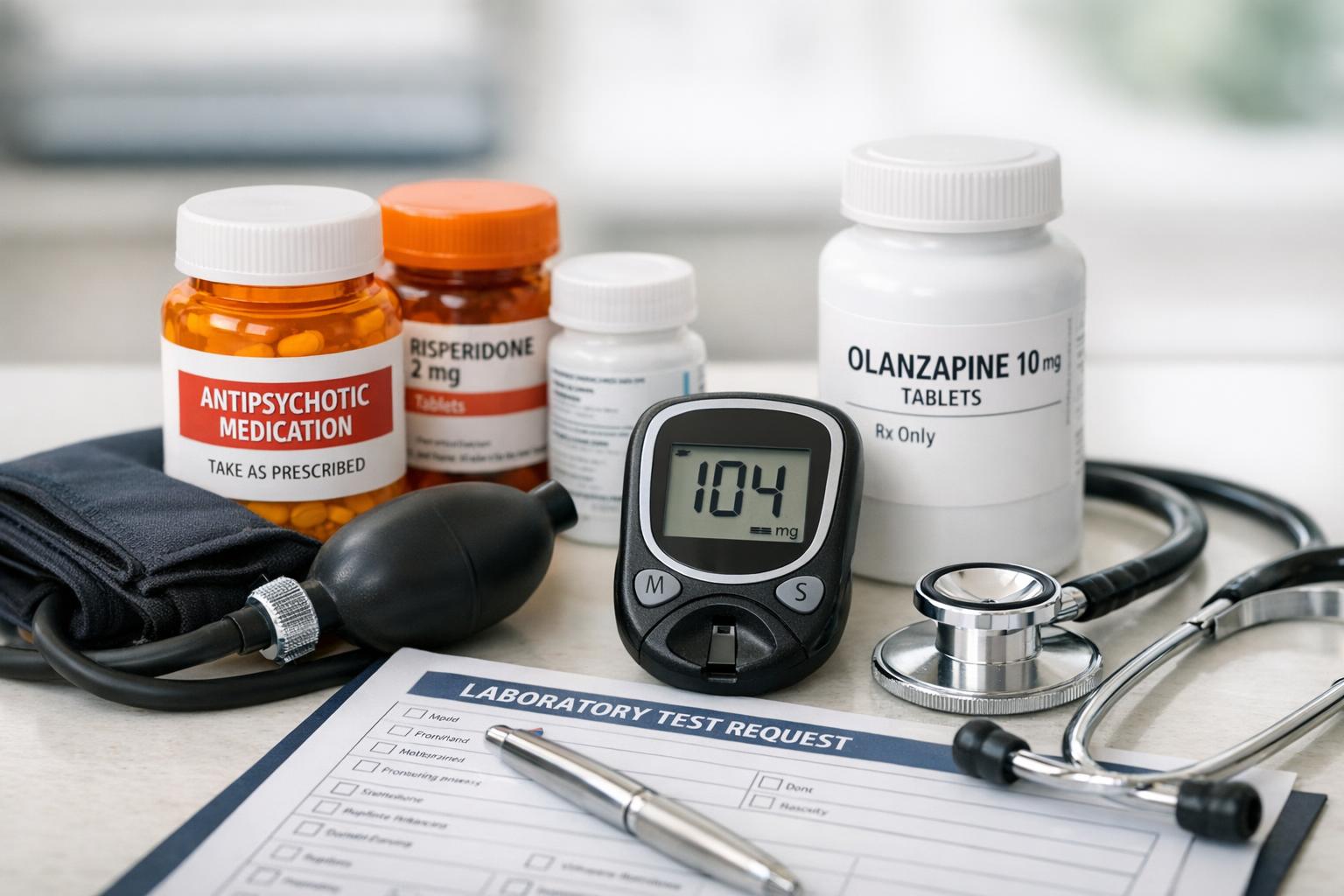
Practical, evidence-informed answers for adults and parents in Castle Rock, Colorado who want clarity before (or during) medication treatment
Antipsychotic medications can be life-changing when they’re well-matched to the person, the diagnosis, and the day-to-day realities of side effects. If you’re already engaged in care—or you’re comparing options after an early medication trial—this guide focuses on the questions that matter most: what these medications do, how clinicians choose among them, what to monitor (and when), and how to advocate for a plan that supports long-term functioning, mood stability, and quality of life.
What antipsychotic medications are used for (beyond the name)
Despite the label, antipsychotic medications are not only used for schizophrenia. Depending on the person’s symptoms and history, they may be used to support:
Psychosis (hallucinations, delusions, paranoia, severe disorganization)
Bipolar disorder (mania/hypomania; sometimes bipolar depression depending on the medication)
Severe agitation or aggression (in specific clinical contexts with careful risk/benefit review)
Treatment-resistant depression (certain agents as add-on therapy in select cases)
A thoughtful plan is symptom-driven: the “right” medication is the one that reduces the most disruptive symptoms while keeping side effects manageable and monitoring intentional.
How clinicians choose an antipsychotic: the decision points that matter most
People often assume the choice is based only on diagnosis. In real practice, the most important factors are usually:
1) Your symptom pattern and urgency
Acute agitation, severe insomnia, active psychosis, mood instability, or intrusive thoughts may require different strategies (and different risk tolerances) than milder, chronic symptoms.
Acute agitation, severe insomnia, active psychosis, mood instability, or intrusive thoughts may require different strategies (and different risk tolerances) than milder, chronic symptoms.
2) Side-effect priorities (your “non-negotiables”)
For many people, the deciding factor is what they’re most willing (and not willing) to tolerate: sedation, weight gain, sexual side effects, restlessness, or movement symptoms.
For many people, the deciding factor is what they’re most willing (and not willing) to tolerate: sedation, weight gain, sexual side effects, restlessness, or movement symptoms.
3) Medical risk profile
Baseline weight, blood pressure, personal/family history of diabetes, cholesterol concerns, cardiac history, and other medications can all shape safer choices and monitoring.
Baseline weight, blood pressure, personal/family history of diabetes, cholesterol concerns, cardiac history, and other medications can all shape safer choices and monitoring.
4) Practical realities
Budget, pharmacy access, dosing schedule, and how reliably follow-up visits and labs can happen in real life.
Budget, pharmacy access, dosing schedule, and how reliably follow-up visits and labs can happen in real life.
Side effects: what to watch for (and how to talk about them early)
A side-effect-aware plan starts with naming the risks upfront and setting check-in points. Many antipsychotics can affect metabolism (weight, glucose, lipids), movement (stiffness, tremor, restlessness), hormones (including prolactin), sleep, and energy. Monitoring is not “extra”—it’s part of responsible prescribing. NICE guidance includes baseline checks such as weight, waist circumference, pulse/BP, glucose or HbA1c, lipids, prolactin, movement-disorder assessment, and lifestyle factors (diet/activity).
| Concern | What it can look like | What helps |
|---|---|---|
| Metabolic changes | Increased appetite, weight gain, higher glucose/A1c, higher cholesterol | Baseline labs + scheduled rechecks, nutrition/sleep planning, medication adjustments when needed |
| Sedation/fatigue | Feeling “slowed,” morning grogginess, low motivation | Dose timing, slower titration, reviewing other sedating meds, reassessing the match |
| Akathisia (inner restlessness) | Can’t sit still, pacing, agitation that feels physical | Early reporting, dose/med changes, targeted symptom treatment when appropriate |
| Movement symptoms | Stiffness, tremor, slowed movement; longer-term risks for involuntary movements | Routine screening, lowest effective dose, choosing lower-risk options where appropriate |
| Cardiac rhythm risk (QTc) | Usually silent; rarely palpitations, fainting in susceptible people | Risk-factor review; ECG when indicated; avoid risky combinations |
| Hormonal effects (prolactin) | Sexual side effects, cycle changes, breast tenderness or discharge | Lab checks when relevant; medication strategy changes; symptom-focused support |
Note: Side-effect likelihood varies by medication and by individual biology—what happens to one person may not happen to another. The most reliable approach is scheduled monitoring plus honest, early reporting of changes.
Step-by-step: a safer, clearer monitoring plan you can bring to your next visit
If you’re analytical and side-effect aware, a written monitoring plan reduces anxiety and prevents “wait and see” from turning into avoidable surprises. Many recommendations for metabolic monitoring include tracking weight/BMI at baseline, then at 4, 8, and 12 weeks, and quarterly thereafter; and checking fasting glucose and lipids at baseline and again around 3 months (with longer-interval follow-up if normal).
1) Before starting (or when restarting)
Ask for a baseline snapshot: weight, waist circumference, blood pressure/pulse, glucose or HbA1c, lipids, and a side-effect review (sleep, appetite, movement symptoms). NICE also includes prolactin levels as part of the baseline physical health assessment for psychosis/schizophrenia care.
2) The first 4–12 weeks
This is when early side effects and rapid weight changes often appear. Tracking weight at weeks 4, 8, and 12 (and symptoms weekly at home) can help you and your prescriber adjust quickly.
3) Cardiac safety: when an ECG is a good idea
ECG monitoring is not automatically required for everyone—but it becomes important when risk factors exist (personal cardiac history, electrolyte issues, multiple QT-prolonging medications) or when a specific antipsychotic has higher QT risk. NICE recommends offering an ECG before starting antipsychotic medication when indicated by the product information or when cardiovascular risk is identified.
A helpful question to ask:
“Can we write down what we’re monitoring, when we’ll re-check it, and what changes would trigger a dose change or medication switch?”
Did you know? Quick facts patients often find reassuring
Monitoring gaps are common—asking for labs is appropriate.
Research has repeatedly shown that real-world metabolic monitoring for people on antipsychotics can be low, even when guidelines exist. Advocating for a clear schedule is part of good care.
Research has repeatedly shown that real-world metabolic monitoring for people on antipsychotics can be low, even when guidelines exist. Advocating for a clear schedule is part of good care.
An “individual therapeutic trial” is a valid framework.
NICE guidance describes antipsychotic treatment as an explicit individual therapeutic trial—meaning benefits, risks, and tolerable side effects should be discussed and documented.
NICE guidance describes antipsychotic treatment as an explicit individual therapeutic trial—meaning benefits, risks, and tolerable side effects should be discussed and documented.
Older adults with dementia-related psychosis require special caution.
The FDA issued a boxed warning (2005; extended in 2008) regarding increased mortality risk when antipsychotics are used in elderly patients with dementia-related psychosis.
The FDA issued a boxed warning (2005; extended in 2008) regarding increased mortality risk when antipsychotics are used in elderly patients with dementia-related psychosis.
Castle Rock, Colorado angle: making medication follow-through realistic
In Castle Rock and the surrounding Douglas County area, many people balance work commutes (to Denver Tech Center, Colorado Springs, or remote schedules), family obligations, and limited time for appointments. A strong antipsychotic treatment plan should fit your calendar—not compete with it.
Consider requesting:
Bundled monitoring visits (symptoms + side effects + vitals in one follow-up)
Lab timing aligned with your routine (morning fasting labs when needed)
A written “what to do if…” plan for restlessness, sedation, appetite changes, or sleep disruption
Coordination with therapy so coping skills and medication strategy work together, not in parallel
If you’d like to understand how different therapy modalities can support medication success (sleep, anxiety, adherence, relapse prevention), you can review our care philosophy and options on our Treatment Approaches page.
Ready for a medication plan that feels clear, collaborative, and carefully monitored?
Premier Mental Health Healing Pathways provides compassionate, culturally sensitive psychiatric care and therapy for children, adolescents, and adults in Castle Rock, Colorado. If you’re weighing antipsychotic options, adjusting after side effects, or seeking a second set of eyes on monitoring and long-term strategy, we’re here to help.
FAQ: Antipsychotic medications
How long does it take for antipsychotic medications to work?
Some effects (like improved sleep, reduced agitation, or reduced intensity of distress) can appear earlier, while fuller symptom improvement may take several weeks. Many care plans treat the medication as a time-limited therapeutic trial with planned reassessment rather than an open-ended commitment.
Which labs should I expect when starting an antipsychotic?
Common baseline monitoring includes weight, waist circumference, blood pressure/pulse, glucose or HbA1c, and a lipid profile; some guidelines also include prolactin and an assessment for movement symptoms and lifestyle factors.
Do I need an ECG before starting an antipsychotic?
Not always. An ECG is commonly recommended when the medication’s prescribing information calls for it, when you have cardiovascular risk factors, or when there’s a personal/family history that raises concern.
What if I gain weight quickly after starting?
Report it early. Many monitoring recommendations emphasize tracking weight closely in the first 12 weeks and then quarterly, since early changes can guide timely adjustments (dose timing, lifestyle supports, or medication strategy changes).
Are antipsychotics safe for older adults with dementia?
This situation requires extra caution and a very careful risk/benefit discussion. The FDA issued a boxed warning regarding increased mortality risk when antipsychotics are used for dementia-related psychosis in elderly patients (initially in 2005, later extended to all antipsychotics).
Glossary (plain-language)
HbA1c
A lab value that estimates average blood sugar over about 2–3 months. Useful for monitoring diabetes risk.
A lab value that estimates average blood sugar over about 2–3 months. Useful for monitoring diabetes risk.
Metabolic monitoring
Tracking weight, blood pressure, and labs (like glucose/HbA1c and cholesterol) to catch medication-related changes early.
Tracking weight, blood pressure, and labs (like glucose/HbA1c and cholesterol) to catch medication-related changes early.
Prolactin
A hormone that can increase with some antipsychotics and contribute to sexual side effects, cycle changes, or breast symptoms.
A hormone that can increase with some antipsychotics and contribute to sexual side effects, cycle changes, or breast symptoms.
QTc
A corrected measurement on an ECG that reflects part of the heart’s electrical cycle. Some medications can prolong QTc, which can increase arrhythmia risk in susceptible people.
A corrected measurement on an ECG that reflects part of the heart’s electrical cycle. Some medications can prolong QTc, which can increase arrhythmia risk in susceptible people.
Akathisia
A medication side effect that feels like intense inner restlessness—often mistaken for worsening anxiety or agitation.
A medication side effect that feels like intense inner restlessness—often mistaken for worsening anxiety or agitation.
Therapeutic trial
A planned period of treatment with clear goals, monitoring, and a checkpoint to decide whether to continue, adjust, or switch.
A planned period of treatment with clear goals, monitoring, and a checkpoint to decide whether to continue, adjust, or switch.
Educational content only; it’s not a substitute for individualized medical advice. If you feel unsafe or at risk of harm, call 911 or 988 right away.





)
No comment