
Gain Clarity and Unlock Your Potential with a Comprehensive Assessment
Do you find it challenging to stay on task at work, manage deadlines, or keep your daily life organized? For many high-achieving professionals in Colorado, these persistent struggles aren’t a matter of willpower but may be signs of Adult Attention-Deficit/Hyperactivity Disorder (ADHD). If you feel like you’re constantly fighting to keep up despite your best efforts, a professional ADHD evaluation can provide the answers and strategies you need to not just cope, but thrive.
Understanding Adult ADHD: Beyond the Stereotypes
ADHD is a neurodevelopmental condition that persists into adulthood for a majority of individuals diagnosed as children. However, many adults, especially high-functioning professionals, go undiagnosed for years. The classic image of a hyperactive child doesn’t always translate to adulthood. Instead, symptoms often manifest in more subtle but equally disruptive ways.
According to the Diagnostic and Statistical Manual of Mental Disorders, Fifth Edition (DSM-5), an adult needs to exhibit at least five persistent symptoms of inattention and/or hyperactivity-impulsivity to be diagnosed.
Common Signs of Inattention in Adults:
- Making careless mistakes at work.
- Difficulty sustaining focus during meetings or long tasks.
- Struggling with organization and time management.
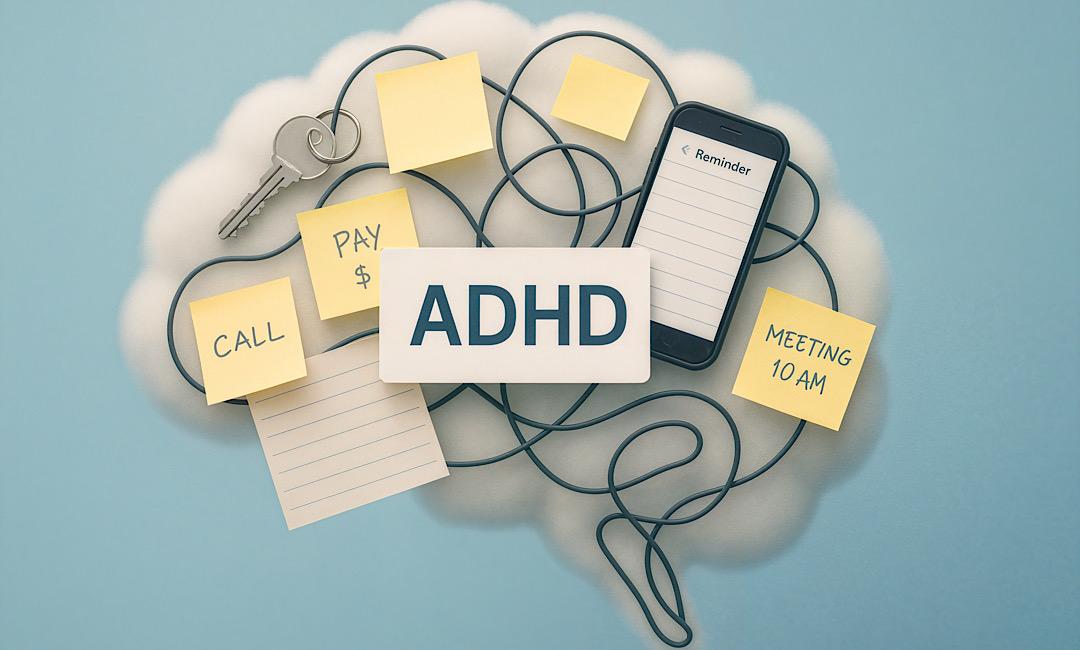
- Frequently losing items like keys, wallets, or phones.
- Being easily distracted by unrelated thoughts or external stimuli.
- Forgetfulness in daily activities, like missing appointments or paying bills.
Common Signs of Hyperactivity/Impulsivity in Adults:
- Feeling of inner restlessness or being “driven by a motor”.
- Excessive fidgeting or an inability to stay seated.
- Talking excessively and frequently interrupting others.
- Blurting out answers before questions are completed.
- Difficulty waiting your turn in conversations or lines.
- Making impulsive decisions without considering long-term consequences.
Recognizing these symptoms in yourself is the first step. The next is seeking a professional, comprehensive evaluation to gain diagnostic clarity and rule out other conditions that can mimic ADHD, such as anxiety or mood disorders.
The Path to Clarity: What to Expect from an Adult ADHD Evaluation
Embarking on an adult ADHD evaluation is a proactive step toward understanding how your brain works. It’s not just a single test but a thorough process conducted by a qualified mental health professional, like a psychiatric nurse practitioner. The goal is to gather a complete picture of your symptoms, history, and how they impact your life.
At Premier Mental Health Healing Pathways, a comprehensive evaluation typically includes:
- A Detailed Clinical Interview: This is a guided conversation about your current challenges, as well as your personal, medical, and developmental history. We’ll discuss your experiences at work, in relationships, and from childhood, as symptoms must be present before age 12 for a diagnosis.
- Standardized Rating Scales: You may be asked to complete self-report questionnaires like the Adult ADHD Self-Report Scale (ASRS) to systematically measure your symptoms. Sometimes, input from a spouse, partner, or parent can also be helpful.
- Assessment of Impairment: The evaluation will assess how ADHD symptoms impact major areas of your life, such as your career, home life, and social relationships. For a diagnosis, there must be clear evidence that symptoms are causing significant impairment in two or more settings.
This process is designed to be compassionate, non-judgmental, and thorough, ensuring you receive an accurate diagnosis and a clear path forward.
Personalized Treatment for ADHD: An Integrative Approach
A diagnosis isn’t a label; it’s a launchpad for effective management. Treatment for adult ADHD is highly personal and often most effective when it combines multiple strategies. At Premier Mental Health Healing Pathways, we believe in a holistic and integrative approach that addresses the whole person.
Your personalized plan may include:
- Psychotherapy: Therapeutic modalities can help you build skills and reframe your relationship with ADHD. Acceptance and Commitment Therapy (ACT) can help you accept challenging thoughts and feelings while committing to value-driven actions. Meanwhile, a Solution-Focused Brief Therapy (SFBT) approach helps you focus on your strengths to build practical solutions for daily challenges.
- Psychopharmacology (Medication Management): For many adults, stimulant or non-stimulant medications are highly effective at managing core symptoms of ADHD. To reduce trial-and-error, we may recommend innovative tools like Gene-Site Testing to understand how your unique genetic profile might influence your response to certain medications.
- Life Coaching: Beyond therapy, life coaching provides practical support for developing executive function skills. This includes building systems for organization, time management, and goal attainment, which are often areas of difficulty for adults with ADHD.
- Mind-Body Techniques: Integrative strategies like mindfulness and breathwork can significantly reduce stress and improve emotional regulation. Advanced modalities like LIFE System Quantum Biofeedback can also help balance stress responses, supporting overall well-being.
Did You Know?
ADHD is not caused by poor parenting or a lack of willpower. Research points to strong genetic and neurological factors. Brain imaging studies have even shown differences in the brain structure and development of individuals with ADHD. Embracing a strength-based approach helps you leverage the unique advantages of an ADHD brain, such as creativity and hyperfocus, while managing its challenges.
Finding Expert ADHD Support in Castle Rock, Colorado
As a motivated professional in Colorado, you deserve care that is both expert and accessible. At Premier Mental Health Healing Pathways in Castle Rock, we specialize in providing compassionate, culturally sensitive psychiatric care for adults across the state. Led by Beverly Ann White, a board-certified Psychiatric Nurse Practitioner, our practice combines over a decade of experience with innovative treatments tailored to your unique needs.
We understand the demands of a busy professional life and offer a judgment-free space to explore your concerns. Whether you are seeking a formal adult ADHD evaluation or want to explore integrative management strategies, we are here to support your journey toward focus, balance, and fulfillment.
Ready to Gain Clarity and Thrive?
If you’re ready to move from feeling overwhelmed to empowered, a comprehensive ADHD evaluation is the first step. Contact Premier Mental Health Healing Pathways to schedule your confidential consultation today.
Frequently Asked Questions
How long does an adult ADHD evaluation take?
A thorough evaluation is typically completed over one to two appointments. This ensures enough time to gather a comprehensive history, complete assessments, and discuss the findings with you in a meaningful way.
What happens after I receive a diagnosis?
A diagnosis opens the door to a personalized treatment plan. We will collaborate with you to determine the best combination of therapy, medication management, coaching, and integrative strategies to help you achieve your personal and professional goals.
Is medication the only treatment for adult ADHD?
No. While medication is an effective tool for many, it is not the only option. Standard treatments for adult ADHD also include education, skills training, and psychological counseling. We emphasize a holistic approach that may include therapy, lifestyle adjustments, mindfulness, and other non-pharmacological strategies to manage symptoms effectively.
Can I have ADHD if I did well in school?
Absolutely. Many adults with undiagnosed ADHD were able to succeed academically, often by working much harder than their peers or developing compensatory strategies. The challenges of professional and adult life, with its increased demands on executive function, often make ADHD symptoms more apparent.
Glossary of Terms
- Executive Function: The brain’s management system responsible for planning, organizing, working memory, emotional regulation, and impulse control. Challenges in these areas are a hallmark of ADHD.
- Neurodevelopmental Condition: A disorder that affects the development of the nervous system, leading to abnormal brain function which can impact emotion, learning ability, self-control, and memory.
- Psychopharmacology: The study of the use of medications in treating mental health conditions. In the context of ADHD, it involves managing stimulant and non-stimulant medications.
- Pharmacogenomic Testing (Gene-Site Testing): A type of genetic testing that analyzes how your genes may affect your response to specific medications, helping to personalize treatment.
- DSM-5: The Diagnostic and Statistical Manual of Mental Disorders, Fifth Edition. It is the standard classification of mental disorders used by mental health professionals in the United States.





No comment