
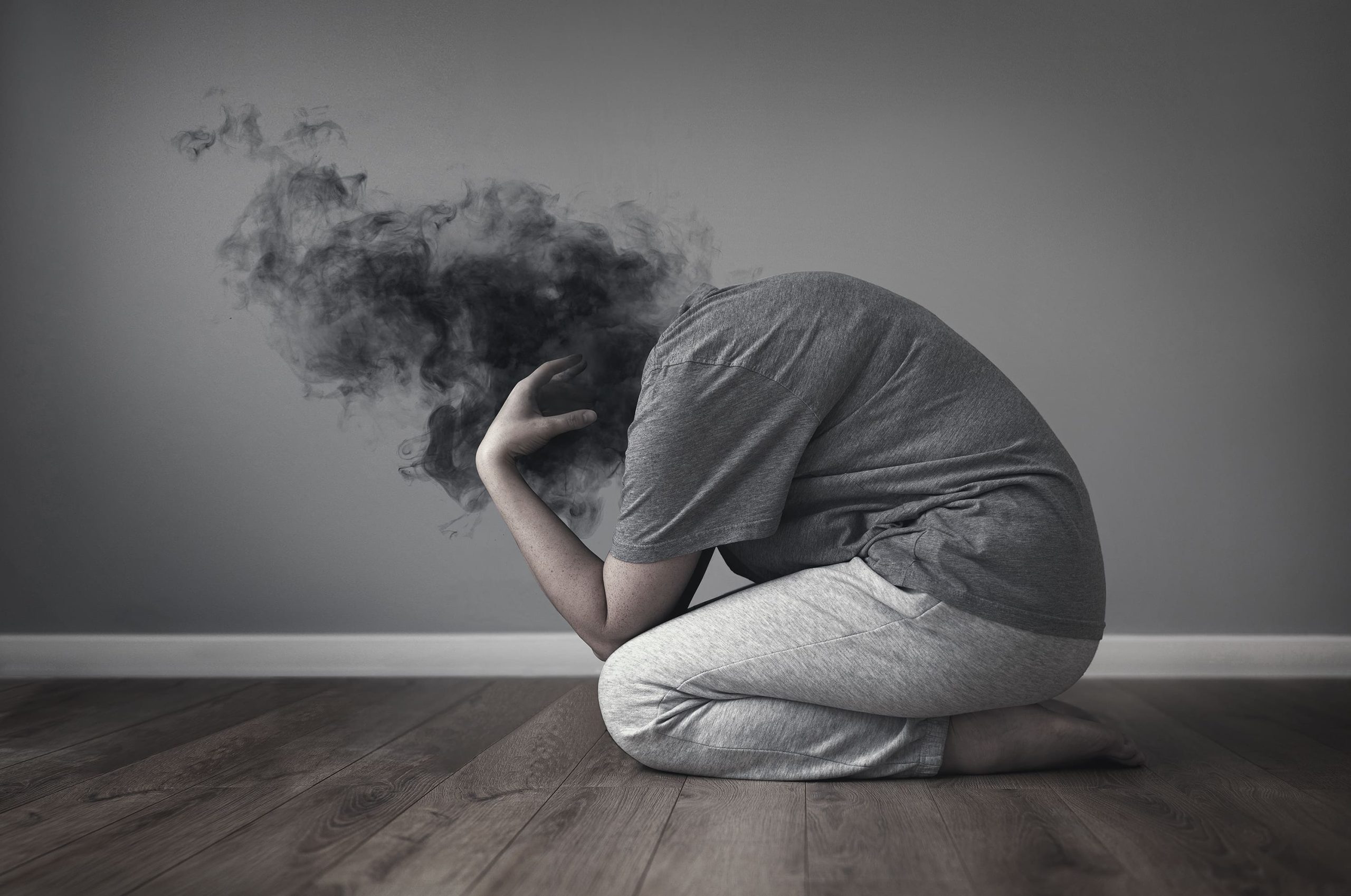
Seasonal depression early symptoms in Colorado are easy to miss because the sky is often still blue when your mood starts to slip. In Castle Rock, daylight drops from about 11 hours and 45 minutes on October 1 to roughly 9 hours and 23 minutes by the winter solstice. Many adults notice the change before they can name it: a harder time getting up, more time on the couch, less interest in plans they’d normally enjoy.
At Premier Mental Health Healing Pathways, we see this pattern every fall. This guide walks through how seasonal depression tends to show up from October through March, how it differs from ordinary winter blues, and when it makes sense to get an assessment instead of waiting for spring.
Fall Mood Changes and Shorter Days: Why Sunny Colorado Isn’t Immune
Colorado’s reputation for sunshine is real, but sunshine doesn’t add hours to the day. Seasonal affective disorder (SAD) is tied to the amount and timing of light your body gets, and a bright afternoon in December is still a short afternoon.
Researchers are still working out the exact cause, but the leading explanations involve the body’s internal clock. Less daylight appears to affect serotonin, a brain chemical linked to mood, and can lead the body to produce more melatonin, the hormone that makes you sleepy. The result can be a body that feels out of sync with the schedule you’re trying to keep.
Local routines make this worse. When daylight saving time ends on November 1, 2026, Castle Rock’s sunset moves to around 5:00 p.m. Plenty of people drive to work in the dim morning, spend the brightest hours indoors and drive home in the dark. On a sunny week, you might get very little actual daylight.
The National Institute of Mental Health notes that SAD is more common in women, in people who live farther from the equator and in people with a personal or family history of depression, bipolar disorder, anxiety or ADHD. Onset often begins in young adulthood.
A Month-by-Month Timeline of Seasonal Depression
Not everyone follows the same calendar, and some people have a summer pattern instead. For the more common winter pattern, here’s how symptoms often build and fade.
October: The Quiet Start
What you might notice: Mornings feel heavier. You hit snooze more, crave carbohydrates in the afternoon and start skipping evening plans because you’re “just tired.”
Why it’s easy to dismiss: October in Colorado is often beautiful. It’s easy to blame a busy season at work or the back-to-school routine rather than the light.
November: The Time Change Hits
What you might notice: Once the clocks fall back, the early darkness can feel abrupt. Many people describe a pull to hibernate: sleeping longer, wanting to stay in, eating more and feeling less connected to friends.
Why it’s easy to dismiss: Holiday planning ramps up, and fatigue gets written off as holiday busyness.
December: The Shortest Days
What you might notice: Energy is noticeably low. Concentrating takes more effort, your arms and legs may feel heavy, and things you usually enjoy feel flat. Irritability can show up at home or at work.
Why it’s easy to dismiss: Festive events can mask how you feel. You may push through gatherings and then crash at home.
January: When Symptoms Can Settle In
What you might notice: The holidays end, the days are still short, and the structure of the season disappears. For many people, this is when low mood, oversleeping, weight changes and withdrawal become harder to ignore. Hopeless or self-critical thoughts can creep in.
Why it matters: If you’ve felt this way for weeks, January is a good time to act rather than wait out the rest of winter.
February: The Long Middle
What you might notice: Days are lengthening, but you may not feel the difference yet. Motivation stays low, and work or relationships may be showing the strain.
Why it matters: Symptoms that last into February have often been present for three or four months. That’s a long time to feel like a lesser version of yourself.
March: The Lift, and What to Watch For
What you might notice: Daylight saving time returns on March 14, 2027, and Castle Rock reaches about 12 hours of daylight around the spring equinox. Many people with a winter pattern start to feel like themselves again.
What to watch for: A very sudden lift into unusually high energy, little need for sleep or racing thoughts is worth mentioning to a provider, since a seasonal pattern can also occur with bipolar disorder. Some people also notice anxiety rising as the seasons change, which our guide to checking in on your mental health after winter covers in more detail.
Early Signs of Seasonal Affective Disorder in Adults
SAD is not a separate diagnosis. Clinicians diagnose it as major depression (or sometimes bipolar disorder) with a seasonal pattern. Along with the usual signs of depression, the winter pattern often includes:
- Oversleeping, or feeling unrested no matter how long you sleep
- Overeating, especially craving carbohydrates, sometimes with weight gain
- Pulling away from friends, family and activities (the “hibernation” feeling)
- Low energy that makes ordinary tasks feel like a big effort
- Loss of interest or pleasure in things you usually enjoy
- Trouble concentrating or making decisions
- Feeling sad, empty, hopeless or worthless most of the day
The less common summer pattern tends to look different: trouble sleeping, poor appetite, weight loss, restlessness and anxiety.
SAD vs. Winter Blues vs. Year-Round Depression
A few gloomy days in January are normal. The difference between winter blues and seasonal depression comes down to how long symptoms last, how much they interfere with your life and whether they follow a repeating pattern.
| Winter blues | Seasonal depression (SAD) | Year-round depression | |
|---|---|---|---|
| Timing | Comes and goes with gray stretches or post-holiday letdown | Starts around the same season each year and eases when it ends | No clear link to the season |
| How long it lasts | Days, not weeks | Most days for weeks or months at a time | Most days for two weeks or longer, in any season |
| Effect on daily life | Mild; you still do what you need to do | Noticeable strain on work, relationships or self-care | Noticeable strain on work, relationships or self-care |
| Sleep and appetite | Mostly unchanged | Winter pattern often brings oversleeping and carb cravings | Can go either way: more or less sleep and appetite |
| Diagnosis | Not a diagnosis | Depression with a seasonal pattern, typically seen for at least two consecutive years | Major depression or another depressive disorder |
Depression also ranges in intensity. If you’re trying to understand how serious your symptoms are, our article on the five levels of depression explains the spectrum from mild to severe.
Self-Check: Are Your Fall Mood Changes More Than the Blues?
This isn’t a diagnostic test. It’s a way to notice patterns and decide whether to bring them to a provider. Think about the last two weeks.
| Ask yourself | Why it matters |
|---|---|
| Have I felt down, empty or flat on most days? | Persistent low mood is a core sign of depression. |
| Am I sleeping more than usual and still waking up tired? | Oversleeping is common in the winter pattern of SAD. |
| Have I lost interest in things I usually look forward to? | Loss of pleasure is another core sign. |
| Am I craving carbs or eating more than normal? | Appetite changes often come with seasonal depression. |
| Have I been canceling plans or avoiding people? | Withdrawal can deepen low mood over time. |
| Is it harder to focus at work or keep up at home? | Functional changes signal that symptoms are more than a passing mood. |
| Did I feel this way around the same time last year, or the year before? | A repeating seasonal pattern is central to a SAD diagnosis. |
| Have I had thoughts that I’d be better off gone, or of hurting myself? | This needs attention right away. See the crisis note below. |
If several of these apply on most days for two weeks or more, or if the pattern keeps coming back each fall, it’s worth getting assessed.
Seasonal Depression and Seasonal Anxiety Often Overlap
Some people feel the season change mostly as worry, tension or restlessness rather than low mood, and many feel both. If anxiety is the bigger piece for you, our guide to seasonal anxiety and integrative wellness in Castle Rock covers that side of the picture.
When to Get Assessed for Seasonal Depression
You don’t need to be in crisis to deserve care. Consider scheduling an evaluation if:
- Your symptoms have lasted two weeks or longer
- Work, parenting, school or relationships are taking a hit
- You notice the same slide every fall or winter
- You’re leaning more on alcohol, food or screens to get through the evening
- You’ve tried more sleep, more coffee or more willpower and it isn’t helping
An assessment can clarify if you’re dealing with SAD, year-round depression, bipolar disorder or something else, such as a thyroid issue or a sleep problem, that your primary care provider may also want to check.
If you’re in crisis: If you’re having thoughts of suicide or of harming yourself, call or text 988 to reach the 988 Suicide & Crisis Lifeline, or chat at 988lifeline.org. In Colorado, 988 connects you with trained crisis counselors any time of day. If you’re in immediate danger, call 911.
A Brief Word on Treatment
Seasonal depression responds well to treatment, and you have options. Common approaches include light therapy, talk therapy and, for some people, medication. A provider can help you decide what fits your symptoms and history. If you’re wondering how antidepressants compare for winter depression, our article on SSRI vs. SNRI antidepressants for winter wellness is a good place to start.
Frequently Asked Questions About Seasonal Depression in Colorado
For the winter pattern, symptoms often begin in late fall and ease in spring. Some people notice early signs in October, while others don’t feel a real shift until the time change in November or the shortest days in December.
Yes. SAD is linked to day length and light exposure, not just cloud cover. Colorado still has short winter days, and indoor work schedules can limit how much daylight you actually get.
Winter-pattern episodes commonly last through the darker months and lift in spring. Treatment can shorten how long you feel unwell and, for some people, help prevent the next episode.
Yes. Clinicians diagnose it as major depression or bipolar disorder with a seasonal pattern, usually after symptoms have come and gone with the seasons for at least two years in a row.
Talk With a Castle Rock Provider This Fall
If this guide sounds familiar, you don’t have to wait until March to feel better. Catching seasonal depression early gives you more options and more good days this winter. Contact Premier Mental Health Healing Pathways to schedule an evaluation in Castle Rock or by telehealth.






No comment