Imagine a busy mom who has to deal with school deadlines, an unexpected car-repair bill, and shorter winter days, all of which make her tired. You’re in addiction recovery, trying to stop being addicted and stay sober, but something doesn’t feel right, like something is pulling at your attention.
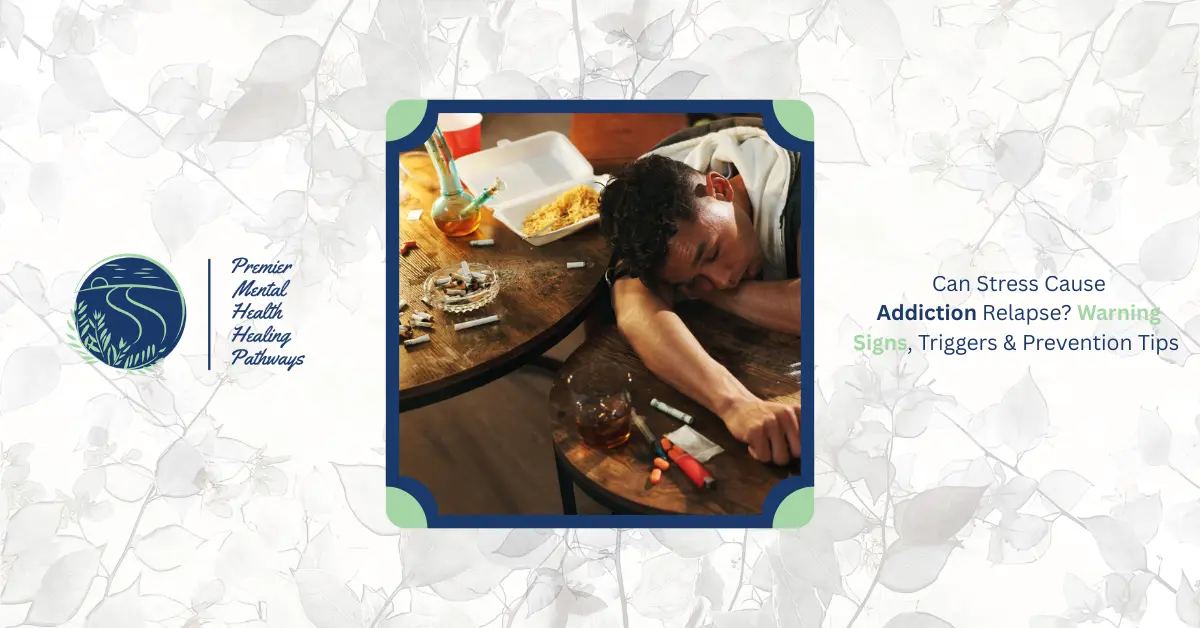
A lot of people who are recovering ask: Can stress cause addiction relapse? Yes, stress is one of the most common things that can cause someone to go back to substance abuse. But stress doesn’t have to control what happens to you. If you know what to do, have a plan to avoid relapsing, and get support from your family, you can keep getting better even when things are hard.
How Stress Triggers Addiction Relapse
When you’re stressed, your body goes into “fight or flight” mode. This is how your alarm works. It releases stress hormones, such as cortisol, to help you handle danger. But your brain is still healing as you get better from your addiction.
The part of the brain that controls pleasure, desires, and self-control is getting back to normal. So, when stress increases, it may feel stronger than usual. It might be easier for cravings to return.
Long-term stress can:
- Make you want drugs or alcohol more
- Make it more complicated to choose what to do
- Have less control over your urges
- Make you feel like you can’t handle your emotions
- Go back to how you used to deal with things
- Return to habits that were used to cope with pain right away
Even months or years after quitting drinking or using drugs, the brain may still “remember” that short escape. The brain may also react more strongly to environmental cues that remind it of past relief, such as being in a familiar place, hearing a particular song, or meeting old friends. This makes the person more likely to act in ways that are similar to how they used to.
Research shows that chronic stress is a major cause of addiction relapse, especially when coping strategies are not working or support systems are getting weak.
Why Stress Feels Stronger During Recovery
The nervous system is resetting itself during the early and middle stages of recovery. Dopamine pathways are being rebuilt. Your ability to control your emotions is getting better.
What this signifies is:
- Stress may feel worse than it did previously
- Your emotions may seem stronger
- Cravings can come out of nowhere
This isn’t a sign of weakness. It means that the brain is healing.
In growing towns like Castle Rock and Douglas County, problems such as financial difficulties, parenting responsibilities, work stress, and changes in the weather can build discreetly. A lot of the time, the chance of relapse grows because of a lot of little stressors, not just one big crisis.
Early Warning Signs of Stress-Related Relapse
Relapse doesn’t usually happen all at once. It usually occurs in three steps: emotional, mental, and physical. If you catch it in the emotional or mental stage, you have the best chance of getting back on track with kindness and help. Here are some ways these stages can show up, especially when stress is to blame.
Emotional Signs
- More likely to get irritated
- Not feeling anything emotionally
- Romanticizing past substance use seems like a good thing
- Believing there is no hope or “what’s the point?
Behavioral Signs
- Not going to meetings for recovery
- Not being around family or other support systems
- Disrupted sleep habits
- Consuming additional caffeine, sugar, or nicotine
Mental Signs
- “It won’t hurt once” ideas
- Putting less value on the past consequences
- Doing things in secret
If you catch these early, you can change course right away. The HALT check is a simple way for many people in recovery to spot these early changes. It tells you to pay attention to when you’re Hungry, Angry, Lonely, or Tired. If you don’t meet these basic needs, you may feel irritable, lonely, or exhausted, which can turn into cravings. Asking yourself, “Am I in a HALT state right now?” during a family check-in or a quiet moment might help you take care of yourself quickly before things get worse.
How to Protect Your Recovery During Stress
Managing stress can help you avoid relapses.
These are helpful, realistic tips that people with busy lives can use:
1. Build a Daily Stress Reset (Under 10 Minutes)
- Taking slow breaths for 3 to 5 minutes
- Short family check-ins at night
- Getting some sun in the morning, especially when it’s cold
- Short walks
- Make a short HALT self-check (Hungry, Angry, Lonely, Tired) part of your daily routine.
Taking care of these things early on keeps them from getting worse. Being consistent is more important than being strong.
2. Identify Your Personal Relapse Triggers
Some things that can make you feel stressed are:
- Stress from money problems
- Issues in a relationship
- Getting burned out at work
- Parenting overwhelm
- Mood swings with the seasons
List your three biggest triggers and one way to handle each one.
3. Use Values-Based Recovery (ACT Approach)
Consider this:
- What kind of person, partner, or parent do I want to be today?
- What small thing can I do right now to help me stay sober?
Acceptance and Commitment Therapy (ACT) helps people do what they believe is right instead of what they feel.
4. Strengthen Your Support Network
Being connected is good for getting better.
- Keep going to therapy or support groups.
- Talk to your loved ones without holding back
- Set up check-ins to keep yourself on track
- Get help before things get bad, not after
You are more likely to relapse if you are alone. Connection reduces the risk.
Practice Self-Compassion During Stress
People relapse when they feel ashamed.
- Try the “pause with your hand on your heart”:
- Take a deep breath and tell yourself, “This is hard, but I am determined to get better.”
Being compassionate lowers stress hormones and strengthens you.
When to Seek Professional Support
If stress is:
- Making people want to eat more
- Disrupting your sleep
- Making people more irritable and angrier
- Making people isolated
- triggering thoughts of taking drugs
It’s a good idea to get help before you relapse.
Here are some options for getting professional help:
- Relapse prevention therapy
- Motivational Interviewing
- Acceptance & Commitment Therapy (ACT)
- Compassion-Focused Therapy
- Medication management
- GeneSight testing (if medications are involved)
At Premier Mental Health Healing Pathways in Castle Rock, we help people and families in Douglas County with addiction treatment that considers their real-life situations.
Reaching out is not giving up; it’s doing something to improve.
Can One Stressful Week Cause Relapse?
A hard week doesn’t erase progress.
Stress that isn’t managed, along with being alone and not dealing with triggers, is what frequently causes a relapse.
Being aware of anything early on greatly minimizes the risk.
Does Stress Management Make Recovery Easier Over Time?
Yes.
As your ability to deal with stress improves:
- Fewer cravings
- Better control of emotions
- Your confidence grows
- Feels like recovery will last
Stress becomes easier to handle.
Conclusion
So, can stress cause addiction relapse?
Yes, one of the most common reasons people go back to their old habits is because they don’t know how to handle stress. But it doesn’t determine what happens next.
If you know how to handle stress, and get professional help when you need it, it can become something you manage rather than something that controls you.
Getting better doesn’t mean getting rid of all the stress in your life. It’s about getting strong enough to deal with it.
If you or someone you care about is feeling more stressed and is at risk of relapsing, the experts at Premier Mental Health Healing Pathways can help.
Dial 720-525-5231 or make an appointment online
You don’t have to deal with recovery stress by yourself.
Related Posts
FAQs
Can stress cause addiction relapse?
Yes, if you don’t manage your stress, you may want things more and find it harder to control yourself, which could make you more likely to relapse.
What are the early signs of stress-related relapse?
Being irritable, feeling alone, having trouble sleeping, having stronger cravings, or skipping recovery support can all be early warning signs.
How can I prevent stress from triggering relapse?
Use coping strategies every day, stay in touch with your support systems, deal with triggers right away, and get help if your cravings get worse.