
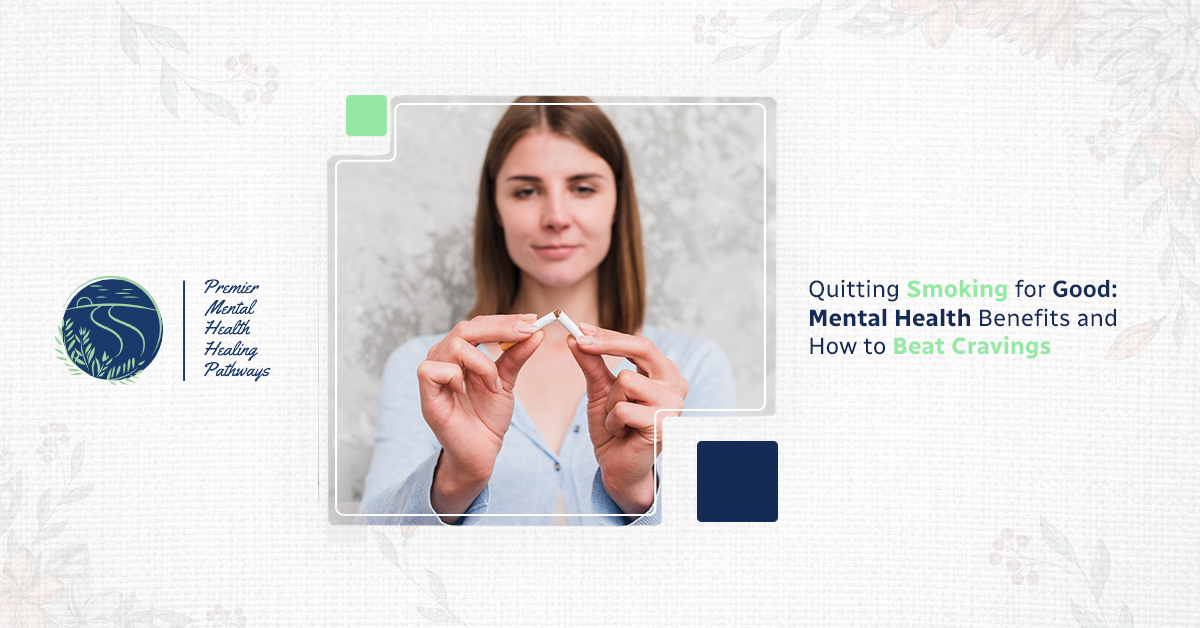
Imagine not reaching for a cigarette to “take the edge off” at the beginning of the day but rather feeling lighter, calmer, and more focused. It isn’t just wishful thinking: many people who quit smoking experience improvements in their mental health, such as improved mood regulation and reduced anxiety.
But smoking affects your brain in addition to your heart and lungs. In fact, the temporary relief nicotine offers can lead to a vicious cycle of addiction that eventually increases stress and emotional instability. This guide will show how quitting can benefit mental health, while providing helpful tips on how to manage cravings and when to seek professional help.
How Smoking Impacts Your Mind
Nicotine and Emotional Balance
Nicotine gives a short-lived mood boost, making your brain feel temporarily good. However, there are consequences associated with this high. Your brain becomes dependent on nicotine to feel normal. Going without it, a person experiencing withdrawal can feel irritable, restless, or depressed.
Some people also take smoking as a way to relieve stress. However, this ends up proving ineffective because, instead of solving their problems, smoking makes them more stressed or depressed.
Hidden Mental Health Effects
Long-term smoking can affect your mental health in a subtle manner, which you might not notice initially:
- Higher anxiety: Nicotine has stimulant properties, and its frequent use can trigger sensations of nervousness or panic attacks.
- Lower mood and motivation: Chronic use affects dopamine levels, reducing the natural sense of pleasure.
- Sleep disruption and self-esteem issues: Nicotine can affect a person’s ability to sleep. Additionally, if a person is a smoker, there could be feelings of guilt or frustration that drain emotional energy.
You can picture smoking like applying a temporary band-aid on stress; it hides the pain, yet it does not cure it. Freedom from smoking is the starting point of regaining your emotional balance.
Mental Health Benefits of Quitting
Early Wins: Weeks 1-4
The mental benefits occur shortly after you stop using cigarettes:
- Clearer thinking: Your brain starts functioning without any nicotine’s interference.
- Better sleep: A restful sleep corresponds to an improvement in one’s mood and reduced irritability.
- Confidence boost: Smoke-free days give you the boost of confidence that you are capable of change.
Even small successes help to maintain a positive feedback cycle, making it easier to stick with quitting.
Long-Term Gains: Months 2-6 and Beyond
Long-lasting emotional changes result from quitting smoking:
- Decreased depression and anxiety: Research indicates that after a few months, mental health frequently significantly improves.
- Better coping mechanisms: You discover healthier ways to deal with stress when you don’t rely on cigarettes.
- Improved memory and focus: Your brain’s natural ability to concentrate and think clearly is restored.
Quitting can eventually enhance your relationships and general quality of life by giving you more energy, patience, and presence for day-to-day struggles.
Handling Cravings: Step-by-Step
Set Yourself Up for Success
Before quitting, prepare mentally:
- Identify triggers: Consider the circumstances, feelings, or periods of the day when your craving to smoke is triggered.
- Make a realistic plan: Pick a quit date, monitor progress, and allow for checks on your moods.
- Use affirmations: Phrases like “I choose control over cravings” can enhance determination.
Practical Craving Strategies
When cravings hit, try these techniques:
- Mindful breathing: Slow, focused breaths can reduce stress and shift attention away from urges.
- Physical activity: Even a short walk or stretching breaks the automatic smoking habit.
- Healthy snacks: Nuts, fruits, or veggies can stabilize mood and energy.
- Nicotine aids: Patches, gum, or lozenges ease withdrawal and support mental balance.
- Support apps & communities: Online groups and quit apps can provide guidance, encouragement, and tracking tools.
When Emotions Get Intense
Cravings can bring on anxiety, depression, or frustration. Progressive muscle relaxation, mindfulness training, or even exposure to light during depressive episodes can all be beneficial. It’s crucial to seek professional assistance if cravings cause ongoing stress or pessimistic thoughts.
Tools and Resources for Quitting
Evidence-Based Approaches
- You can reframe cravings as fleeting thoughts rather than commands by using behavioral therapies like cognitive behavioral therapy (CBT).
- Medication and nicotine substitutes stabilize mood and lessen withdrawal symptoms.
- Support from the community: Group programs and online forums normalize your experience and provide support.
Professional Support
Consult an expert if:
- Strong feelings of anxiety or depression accompany cravings.
- You’ve already attempted to quit several times.
- Emotional or mental issues overlap with your smoking addiction.
A plan developed by an expert that suits your needs could help your chances of quitting successfully.
Staying Motivated and Overcoming Setbacks
- Don’t fear slips: A single cigarette does not reverse progress, so don’t worry about slips. Take note of triggers and modify your strategy accordingly.
- Monitor your progress: Record improvements in your energy, mood, and mental clarity in a journal.
- Celebrate milestones: Give positive, non-smoking activities as a reward for smoke-free days or weeks.
- Engage family members: Motivation and accountability are strengthened by family support.
Conclusion
Giving up smoking is a major accomplishment for mental health as well as physical health. You can lower anxiety, improve mood, and develop resilience by preparing your mindset, controlling cravings, and utilizing support resources. A more concentrated, in-the-moment, and emotionally balanced life is achieved with each smoke-free day.
Expert advice can help the trip go more smoothly. You don’t have to do it alone; resources and professional guidance can make the journey smoother and more sustainable. If you are trying to quit smoking and need professional help, contact Premier Mental Health Healing Pathways. We offer caring support to help you reach your goals.
FAQs
How soon do mental health benefits appear?
Many report improvements in a matter of weeks, with more notable improvements in anxiety and mood occurring over several months.
What if cravings worsen anxiety?
If cravings cause severe anxiety or depression, think about practicing relaxation techniques or seeking professional advice.
Can quitting help with depression or ADHD?
Indeed. Quitting helps alleviate symptoms of ADHD by promoting mood stability, strengthening cognitive control, and enhancing focus.
Do medications help?
Nicotine replacement or prescription options ease withdrawal and stabilize mood, making it easier to adopt healthy coping strategies.





No comment