Through our collaboration with Colorado Natural Medicine, we now offer additional holistic treatments designed to enhance your physical, mental, and emotional well-being. Learn more about each therapy and the expert providers behind them.
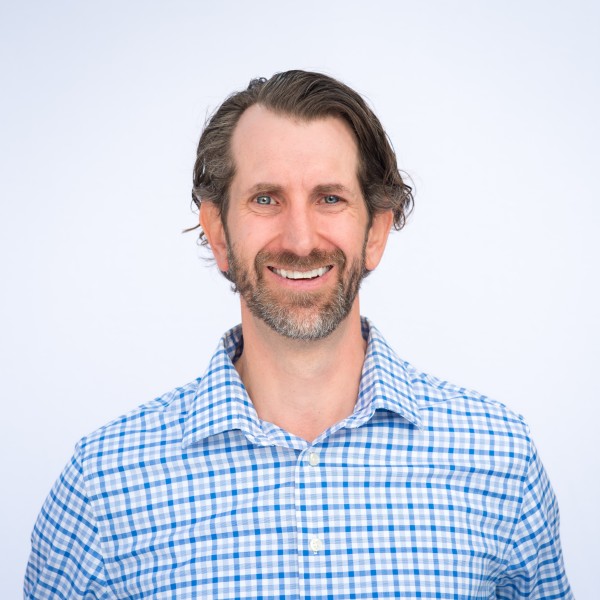
Naturopathic Doctor and Licensed Acupuncturist. Dr. Graves combines Eastern and Western medicine to address the root causes of illness. He specializes in complex cases, pain management, digestive disorders, infertility, and pediatrics.
Read More
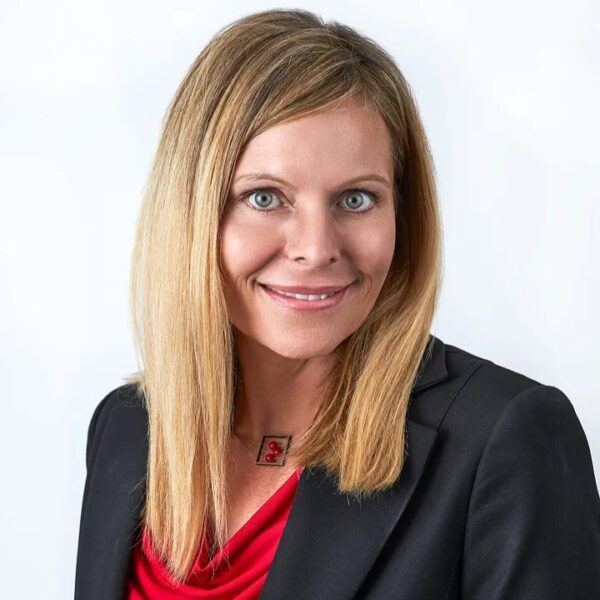
Nationally certified acupuncturist and Chinese herbologist. Melissa focuses on aesthetics, pain management, autoimmune disorders, hormone balancing, and preventative medicine.
Read More
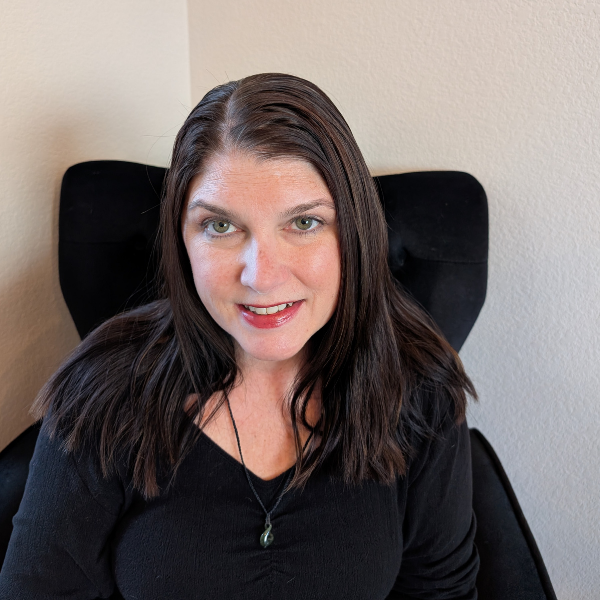
Licensed Massage Therapist and Reiki practitioner offering integrative sessions that address physical, emotional, and spiritual health.
Read More
Brief description on homepage; full page content includes:
Brief description on homepage; full content includes:
The major goal is that once the natural products are injected (in specific Acupuncture points), your body’s own defense system is stimulated. In other words, the body is invited to start healing itself. In many cases, this is sufficient to get the body in balance again.
Point injections can also be given to stimulate the local blood circulation, and to dissipate the ongoing inflammatory processes. This can be very useful when treating sports injuries as some of the products are designed to relax muscles. They are also often used when dealing with neck and lower back pain. Even pain in the knee or in the hip region can have a muscular origin and can sometimes be treated without touching the joint itself.
Generally, Point Injection is often used in:
•pain management
•preventative medicine
•facial refreshment
•patients with vitamins deficiencies
•enhance the effects of Acupuncture
•enhance the effects of Laser Therapies
Biopuncture should always be based on the patient’s health history and symptomlogy.
Most of them are given into or just under the skin (subcutaneous); others are given into specific muscle points (intramuscular). The practitioner does not give the injections arbitrarily; instead the injections are administered in carefully chosen spots called Acupuncture points. The place where product is injected is as important as the product itself and sometimes the injections are given at more than one spot during each session. For example, if you have pain in your elbow, the painful spots in your arm muscles may also be each injected in one session.
The needle used is very thin, so there is only a pinch, unlike injections a patient receives during a conventional medical procedure.
Injection Therapy / Biopuncture are complementary to western medicine. If you are under a Medical Doctor’s (MD) care, you should continue for as long as your MD deems it necessary and continue to take all prescribed medication.
Point Injection / Biopuncture can successfully treat:
•orthopedic problems
•arthritis
•osteoarthritis
•neck pain
•back pain
•sciatica
•ankle sprain
•frozen shoulder
•Achilles tendinitis
•sports injuries
•tennis elbow
•golf elbow
•headaches
•inflammations
•neuralgia
In addition to pain, Point Injection can also treat:
•allergies
•asthma
•eczema
•hay fever
Remember, Point Injection complements Acupuncture, Herbs and Nutrient therapy. Meaning that, the healing effects are enhanced when Point Injection is combined with other therapies. On its own (primary treatment), good clinical results can be achieved using Point Injection.
Injection Therapy / Biopuncture is a natural therapy consisting of injecting natural biological products in acupuncture points or specific spots. Point Injection as it is called in the U.S. or Biopuncture in Europe (originated from: biotherapeutics [bio-] with acupuncture [-puncture]).
Injections can include:
•herbs
•homeopathic products
•vitamins
•other natural biological products
Most of these injections are given under the skin (shallow, subcutaneous) or in the muscles (intramuscular) and are designed to treat a wide range of symptoms and pain.
No. This therapy and the products have been used for several decades. The specific names Point Injection & Biopuncture were created more recently to give more exposure to the possibilities of this particular technique, both for the general public and for medical doctors.
This treatment combines homeopathic remedies with the principles of acupuncture. Some say it can cure any type of pain, but is it safe? This therapy combines homeopathic remedies with the principles of acupuncture. Since most ampoules only have low concentrations of plant extracts, there’s very little side effects. Also, the ampoules used in Point Injection are manufactured by companies such as “Heel” that can guarantee the product’s effectiveness and quality. Note, Heel products are FDA approved.
Most people are surprised how easily and quickly these injections are given compared with the injections given in conventional medicine. You will feel no pain or just a pinch since the needle is very thin.
Acupuncture is part of East Asian Medicine (EAM), also known as Traditional Chinese Medicine (TCM), a complete, professional medical system that has been continuously practiced in Asia for over 3,000 years. Acupuncture utilizes fine, sterile needles inserted at specific points called acupressure points to rebalance the flow of energy and naturally heal the body. How does acupuncture work? It works by rebalancing the chi, restoring the flow of energy. Acupuncture is one of the natural health care solutions at CNMA.
Acupuncture has been used to treat a variety of conditions including the following:
• Acute and chronic shoulder, neck & back pain
• Acute muscle strains & joint sprains
• Arthritis pain
• Acne
• Chronic Pain
• Asthma
• Migraine & tension headaches
• Anxiety & depression
• Weight loss
• Infertility
• Irregular and/or painful menstruation
• Allergies
• Constipation & diarrhea
• Indigestion
• Impotence
• Post-stroke paralysis
• Addiction
This is not a definitive list – there are many other acupuncture benefits and treatment can be tailored to your specific needs.
In your initial acupuncture session, the acupuncturist will spend up to 30 minutes asking about your complaint, such as how long you’ve had the problem, your current symptoms, your health history, your diet, your sleeping habits and bowel movements. This information may seem irrelevant to you, but EAM is a holistic medical system that recognizes the link between body, mind, and emotions. Your physical ailment may well have an emotional component too which is one of the reasons why we offer holistic counseling at our practice.
Depending on your health condition, you will either lie facedown on the treatment table, on your back, or on one side. Typically, 4 – 12 acupuncture points are selected. The most common points are on your arms below your elbows, on your legs below your knees, and along either side of your spine from your neck to your sacrum. Each point is swabbed with alcohol before the needle is inserted.
The acupuncturist may ask you to report any sensations of tingling or warmth around the site of the needles. These sensations indicate that the point has been correctly located. Generally, the needles are left in place for about 20 minutes, but painful health conditions may require longer treatment time. A common acupuncture benefit is that it’s usually very relaxing. All you have to do is lie still and it’s quite common for people to fall asleep during their treatment.
TIP: As you lie there (eyes closed) breathe slowly, smoothly, and deeply through your nose. As you exhale RELAX and let go of your ailment. Imagine it leaving your body.
If you’ve never had acupuncture before this is probably your first question! Acupuncture does not hurt. The needles are extremely fine and you typically feel a light prick when the needles are being inserted. The sensation does vary depending on where the needles are being inserted, but very few people say that acupuncture hurts. Acupuncture is safe too. The needles are sterile, single-use disposables so the entire process is clean.
Overall treatment time is dependent upon many factors such as the nature and severity of your complaint, how long you’ve had it, your age, your general health, your lifestyle, and how much you are willing to do to assist the healing process.
East Asian Medicine views each individual as unique. Your acupuncturist will recommend a treatment schedule customized for your unique health condition. They may also suggest herbal medicine and dietary/lifestyle changes to help facilitate healing.
custom therapeutic massage including Swedish, Lymphatic Massage, Cupping Therapy, Deep Tissue, Acupressure, Medical Massage, Facial Cupping, Zoku Shin Do leg and foot massage, Gua Sha facial massage, LED Light Therapy, Sports Massage, Trigger Point Massage and Semi-Deep Tissue. Our integrative massage therapist blends many of these techniques in a session to suit your individual needs.
Experts estimate that upwards of 90% of disease is stress-related. Perhaps nothing ages us faster, internally and externally, than high stress. Massage is an effective tool for managing stress, which translates to:
Massage can also specifically address a number of health issues including:
Your massage or bodywork session will take place in a warm, comfortable, quiet room. Soft music will be played to help you relax. You will lie on a table especially designed for your comfort.
Most massage and bodywork techniques are traditionally performed with the client unclothed; however, it is entirely up to you what you want to wear. You should undress to your level of comfort. You will be properly draped during the entire session.
Massage is all about applying touch and pressures to the body to elicit change and the release of tension. In most cases, the amount of clothing worn doesn’t change the major affects of the therapy. Discuss your expectations with your massage therapist. There are many options, with medical massage therapies, on how to work the body with various degrees of undress.
Your comfort is our priority so do what’s most comfortable for you!
The practitioner will leave the room while you undress, relax onto the table, and cover yourself with a clean sheet or towel. The practitioner will knock before entering.
You will be properly draped at all times to keep you warm and comfortable. Only the area being worked on will be exposed.
A typical full-body session will include work on your back, arms, legs, feet, hands, head, neck, and shoulders and abdomen, if requested.
A relaxing Swedish massage is often a baseline for clients. In a general Swedish massage, your session may start with broad, flowing strokes that will help calm your nervous system and relax exterior muscle tension. As your body becomes relaxed, pressure will gradually be increased to relax specific areas and relieve areas of muscular tension. Often, a light oil or lotion is used to allow your muscles to be massaged without causing excessive friction to the skin. The oil helps hydrate your skin. You should communicate immediately if you feel any discomfort so that another approach may be taken. Massage and bodywork are most effective when your body is not resisting.
There are numerous types of massage and bodywork; various techniques utilize different strokes, including basic rubbing strokes, rocking movement, posture and movement re-education, application of pressure to specific points, and more. We can discuss which methods may be most appropriate for you.
Prior to the massage, feel free to ask the practitioner any questions about the technique or the upcoming session. During the massage, make yourself comfortable. The practitioner will either gently move you or tell you what is needed throughout the session (such as lifting your arm). Many people just close their eyes and completely relax; communicating if/when they need more or less pressure, another blanket, or anything else relevant to the session. If you have any questions regarding the session or about the particular technique you are receiving, feel free to ask.
The majority of people feel very relaxed. Some experience freedom from long-term aches and pains developed from tension or repetitive activity. After an initial period of feeling slowed down, people often experience increased energy, heightened awareness, and greater productivity, which can last for days. Since toxins are released from your soft tissues during a massage, it is recommended you drink plenty of water following your massage.
Yes. That’s why it’s imperative that, before you begin your session, the practitioner asks general health questions. It is very important that you inform the practitioner of any health problems or medications you are taking. If you are under a doctor’s care, it is strongly advised that you receive a written recommendation for massage or bodywork prior to any session. Depending on the condition, approval from your doctor may be required.
Depending on each individual client’s needs, a 60-minute or 90-minute massage therapy session may include one or more of the different modalities that our CNMA Massage Therapist specializes in, including t-bar, hot stone, and/or cupping therapy techniques. At Colorado Natural Medicine we also offer specialized massages that are only 30 minutes, including Gua Sha, a facial massage technique for enhancing circulation, and Zoku Shin Do, a leg and foot massage technique. We also offer LED Light Therapy and Facial Cupping/Facial Massage. These specialty services can be standalone services or can be added as an enhancement to a 60-minute or 90-minute massage. We also offer our Signature CBD Massage as an add on to a 60-minute or 90-minute massage appointment.
For nutritionists, there is an emerging new specialty within the field of nutrition called Holistic Functional Nutrition. Similar to Functional Medicine, a practitioner of holistic functional nutrition addresses the underlying or root causes of dysfunction / disease in the body and the nutritionist seeks to restore balance from within.
A holistic functional nutritionist can help with a variety of health concerns including:
Autoimmune disease (including Hashimoto’s)
Chronic Skin Disorders (including eczema and other skin disorders)
Irritable Bowel Syndrome (IBS)
Inflammatory Bowel Disease (IBD)
Crohn’s Disease
Ulcerative Colitis
Nutritional Support during Chemotherapy
“Let thy food be thy medicine, and thy medicine be thy food.”
– Hippocrates (460-370 BC)
Functional Nutrition takes into consideration the complex interaction between nutrition, environmental and lifestyle factors, genetics, and their effect on your health. A holistic functional nutritionist acknowledges and respects the unique biochemistry of every individual. As such, each client protocol is customized to the unique needs of the individual.

Providing caring and holistic mental health care with innovative treatment options for children, adolescents, and adults.